The short answer
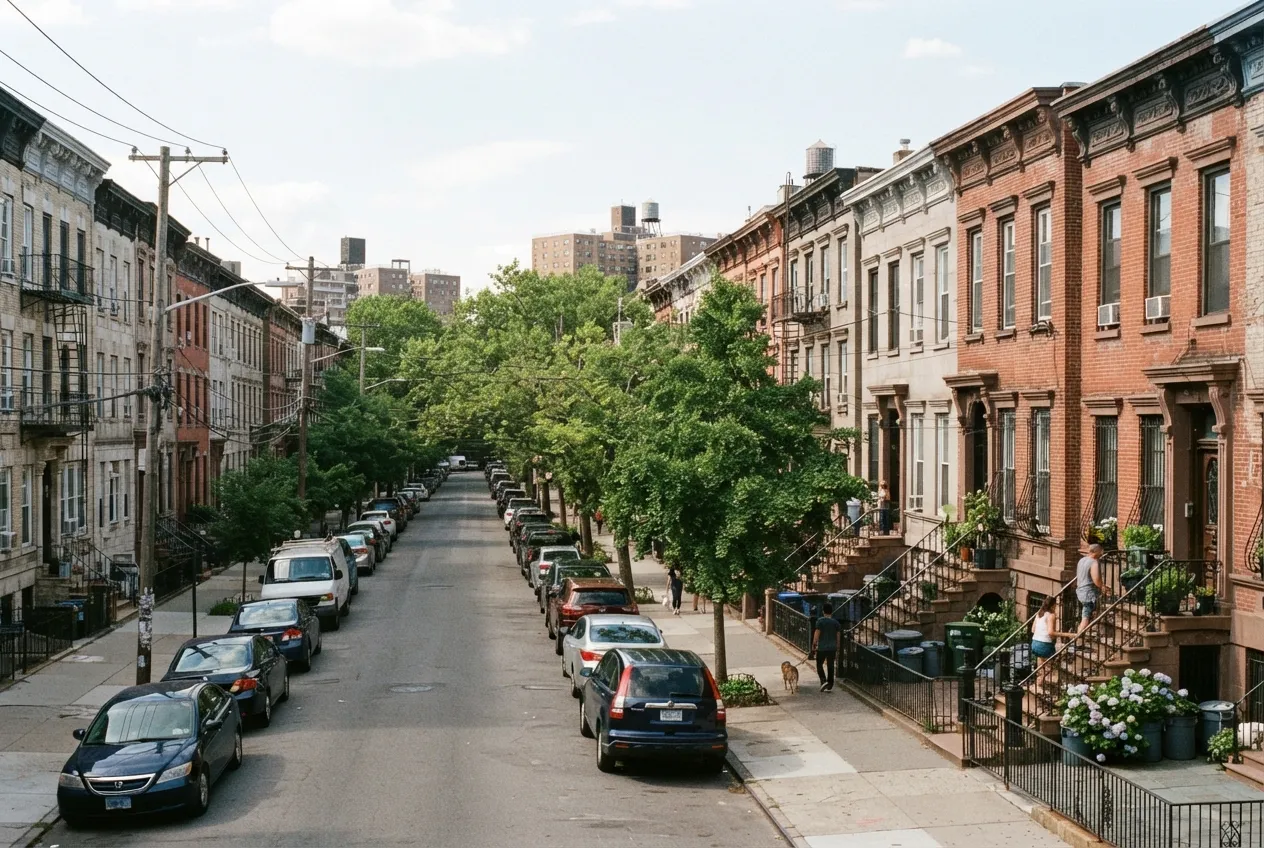
MetroFlow cleans air ducts, dryer vents and chimneys throughout Queens, including Long Island City, Hunters Point, Sunnyside, Queensbridge, Ravenswood, Dutch Kills and Maspeth. We recommend duct cleaning when there is visible mold, vermin or heavy debris, regular dryer vent cleaning to reduce fire risk, and a yearly chimney inspection in line with NFPA 211.
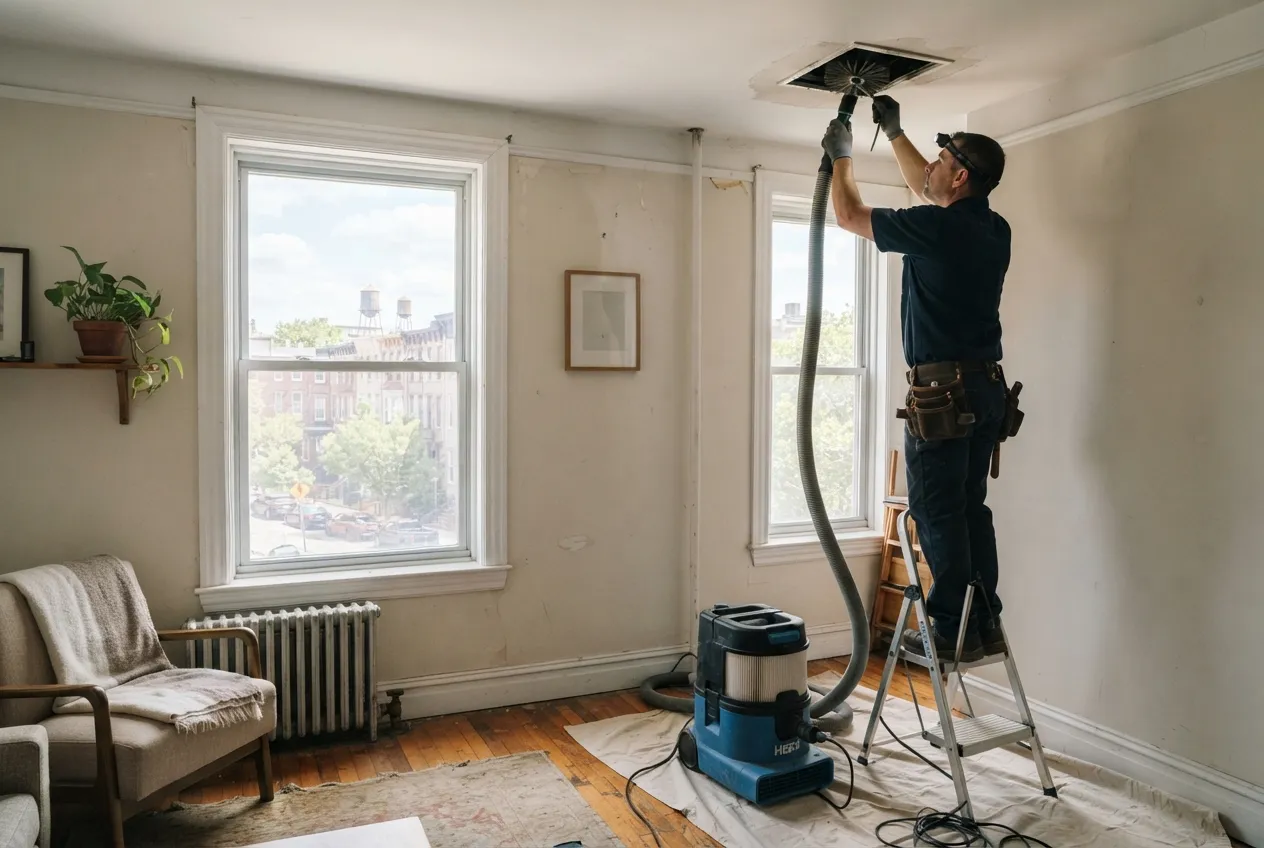
MetroFlow Air Duct Cleaning Services cleans air ducts, dryer vents and chimneys for homes across Queens. Our technicians work in Long Island City, Hunters Point, Sunnyside, Queensbridge, Ravenswood, Dutch Kills and Maspeth, in attached row houses, single-family homes and apartments. This page explains what each service involves, when it makes sense, and what to expect when a certified technician comes to your home.
Air Duct Cleaning: When It's Worth It
Not every home needs duct cleaning on a fixed schedule. The U.S. EPA advises cleaning air ducts when there is substantial visible mold growth, signs of vermin, or excessive dust and debris. The EPA also notes that duct cleaning has not been shown to prevent health problems, so we won't tell you it will.
Before any work begins, we look at the system and show you what we find. If your ducts don't need cleaning, we'll say so.
- Visible mold on duct surfaces or around registers
- Signs of rodents or insects in the ductwork
- Dust blowing out of supply vents even after a filter change
- Debris left behind after renovation work
Dryer Vent Cleaning
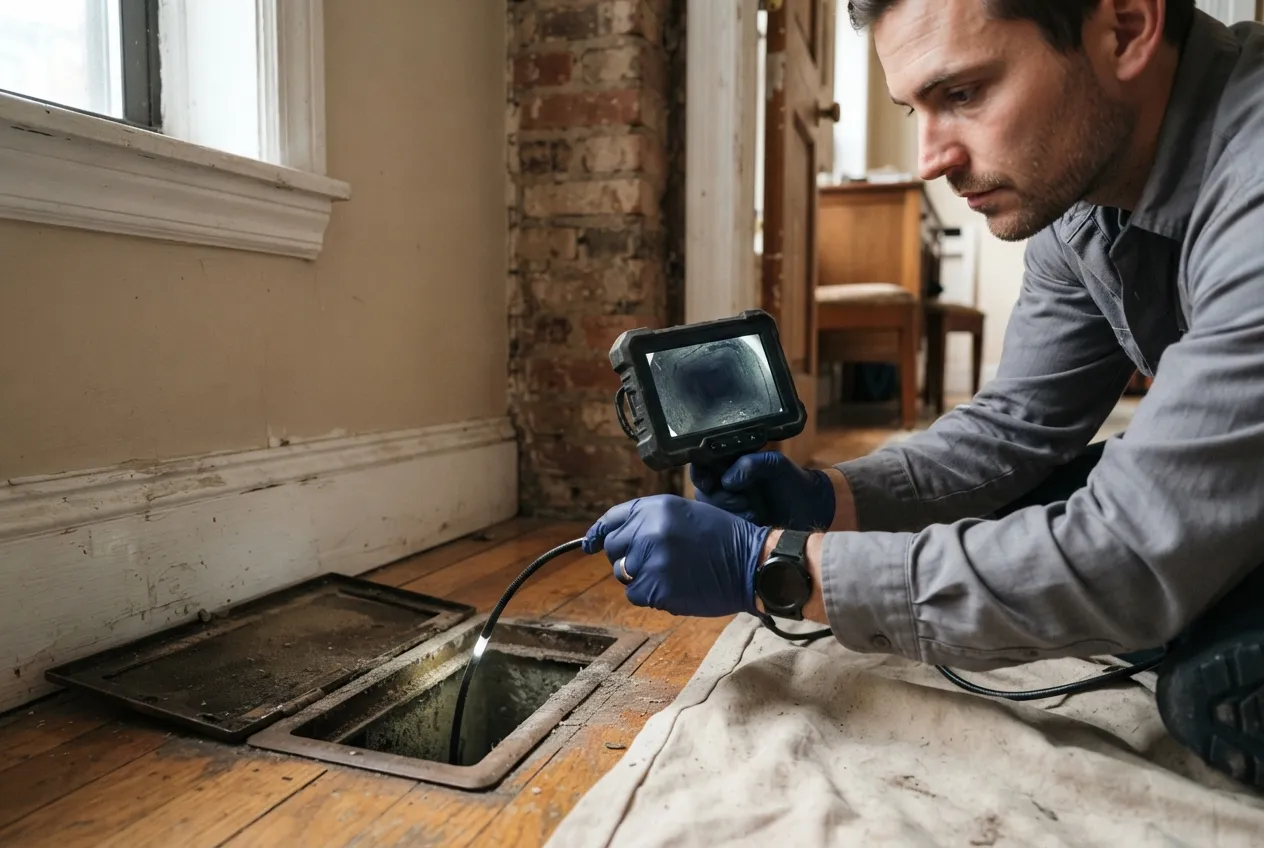
According to the U.S. Fire Administration, failure to clean is the leading factor contributing to clothes dryer fires in homes. Lint gets past the lint trap and collects inside the duct and at the exterior cap, where you can't see it. In many homes the vent run passes through a basement or wall before it reaches the outside, which gives lint more places to settle.
We clear the full run, from the dryer connection to the exterior termination, and check that air moves freely at the end.
Chimney Inspection and Cleaning
The NFPA 211 standard calls for chimneys, fireplaces and vents to be inspected once a year. Chimney professionals use three inspection levels:
Cleaning removes soot and creosote buildup so the flue can vent properly. Our technicians explain what they see and which inspection level fits your situation.
- Level 1: when nothing about the system has changed
- Level 2: when the system changes, such as a new appliance or a switch of fuel, or when the home is sold
- Level 3: when a hidden hazard has to be reached by opening part of the chimney or building
Ready for cleaner ducts?
Oil-to-Gas Conversions and Heat Season Timing
If your building is converting its boiler from oil to gas, New York City requires the chimney to be evaluated as part of the work. A new liner is often needed, because gas exhaust produces acidic condensate that can corrode a masonry flue.
Timing matters too. New York City's heat season runs from October 1 through May 31, when building owners must keep apartments heated to the city's minimum temperatures. Scheduling chimney and flue work before October helps you avoid taking heat offline when tenants depend on it.