The short answer
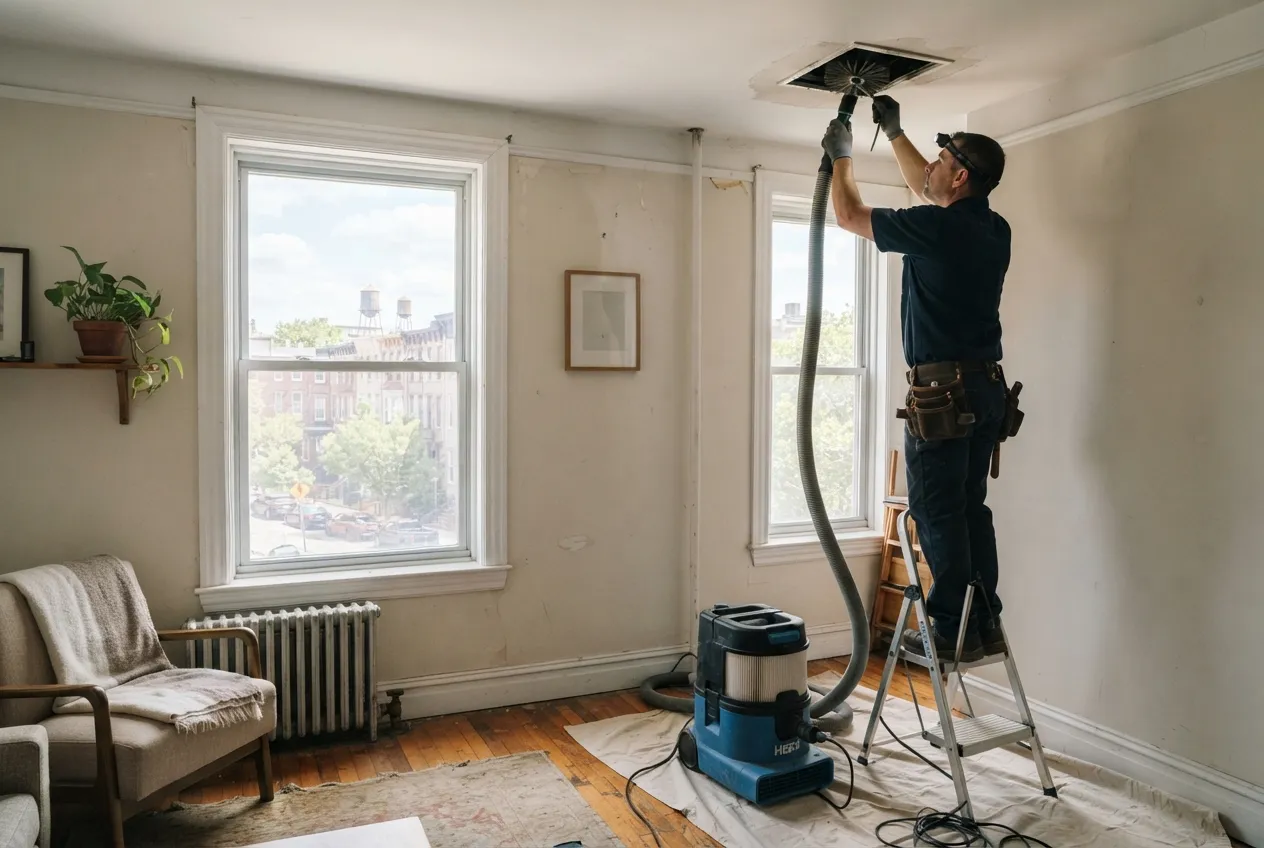
Yes, MetroFlow serves Ravenswood, Queens (ZIP 11106) from our Greenpoint, Brooklyn office about 2 miles away. Our certified technicians clean and repair air ducts, dryer vents, exhaust fans and chimneys in homes and commercial buildings throughout the neighborhood.
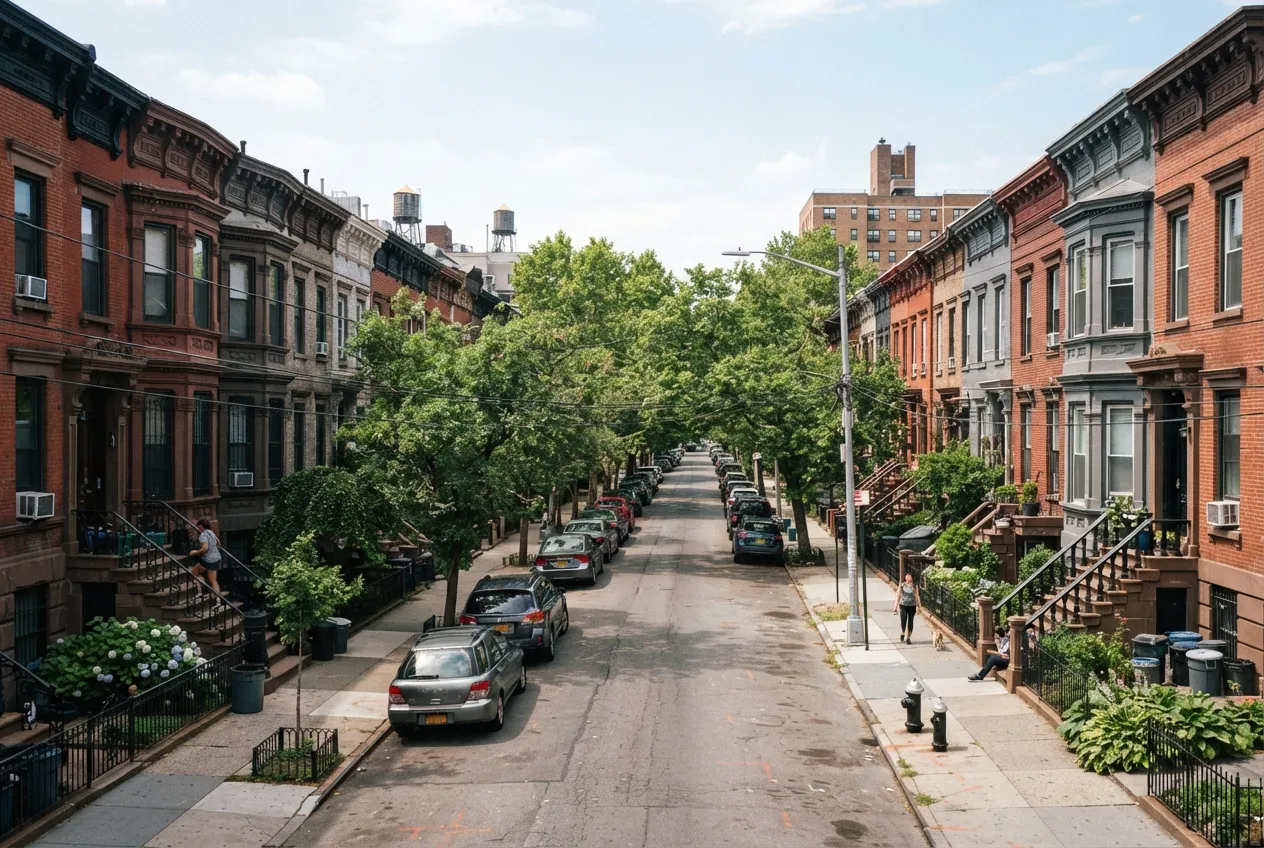
MetroFlow Air Duct Cleaning Services works in Ravenswood, Queens (ZIP 11106), about 2 miles north of our Greenpoint, Brooklyn office. Because the drive is short, scheduling in the neighborhood is simple. Our certified technicians clean ducts, dryer vents, exhaust fans and chimneys in the kinds of buildings found here: attached rowhouses, two-family and multi-family homes, pre-war apartment buildings, and newer residential and mixed-use buildings. This page covers what we do in Ravenswood, how local weather affects your home's air and venting systems, and how to tell when a cleaning is actually worth it.
Our Services in Ravenswood
We handle residential and commercial work across 11106. Homeowners and building owners usually call us for one of the following:
- Air Duct Cleaning: removing built-up dust and debris from supply and return ducts
- Dryer Vent Cleaning: clearing lint from the full vent run, not just the trap
- HVAC System Cleaning: cleaning blower components, coils and air handlers
- Duct Sanitizing & Odor Removal: used when there is a specific odor or contamination problem
- Chimney Sweep: removing soot and creosote from the flue
- Dryer Vent Repair & Rerouting: fixing crushed, disconnected or overly long vents
- Air Duct Repair & Sealing: closing leaks and loose joints so air goes where it should
- Exhaust Fan Cleaning: bathroom and kitchen fans that have stopped pulling air well
- Chimney Inspection: annual checks and inspections when your system changes
- Commercial Duct Cleaning: offices, storefronts and mixed-use buildings
How the Local Climate Affects Your Air and Vents
Ravenswood gets the full range of New York weather: cold winters, humid summers, and short spring and fall seasons in between. New York City's heat season runs from October 1 through May 31. During those months, furnaces, boilers and forced-air systems in the neighborhood run for most of the year. Every hour of operation pulls household dust, lint and pet hair through return ducts and filters.
In summer, central air and ductless systems work hard against the humidity. Condensation can form around cold ductwork in attics, basements and closets, and it can lead to musty odors or mold if insulation or seals have failed. Late summer or early fall is a practical time to have ducts and equipment checked, because the heat hasn't come on yet.
When Air Duct Cleaning Is Worth It
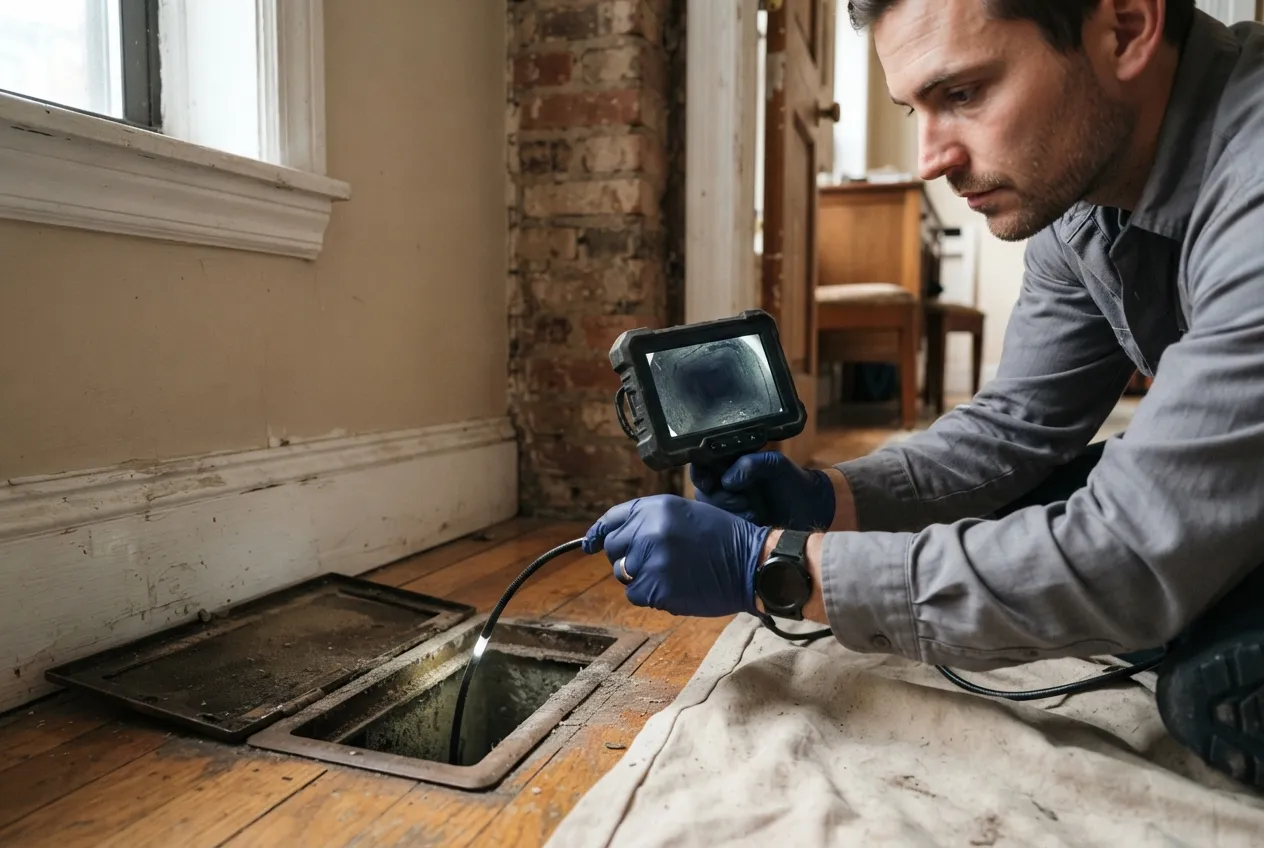
We follow the same common-sense approach the U.S. EPA recommends. Duct cleaning makes sense when there is substantial visible mold growth, signs of rodents or insects in the ductwork, or excessive dust and debris. The EPA also notes that duct cleaning has not been shown to prevent health problems, so we won't tell you it will.
If you're comparing offers, the EPA suggests researching the process before responding to very cheap advertised deals and being careful with chemical treatments. Before we start, we explain what we'll clean, how we'll do it, and whether a sanitizing product is actually needed.
Ready for cleaner ducts?
Dryer Vents in Rowhouses and Apartment Buildings
According to the U.S. Fire Administration, failure to clean is the leading factor contributing to clothes dryer fires in homes. In attached and multi-family buildings, dryer vents often run long distances through walls, ceilings or shared spaces before they reach the outside. Every bend gives lint another place to collect.
Signs your vent needs attention include clothes that take more than one cycle to dry, a laundry room that gets unusually hot, or a burning smell. If a vent is crushed, too long or poorly routed, we can repair it or reroute it along a shorter, safer path.
Chimney Sweeping, Inspections and Liners
The NFPA 211 standard calls for chimneys, fireplaces and vents to be inspected once a year. A Level 1 inspection covers a system that hasn't changed. A Level 2 inspection applies when something changes, such as a new appliance or a switch in fuel, or when the home is sold. A Level 3 inspection is used when a hidden hazard can only be reached by opening part of the chimney or building.
If your building still heats with oil and you're planning a switch, keep in mind that when a New York City building converts its boiler from oil to gas, the chimney has to be evaluated as part of the work. A new liner is often needed because gas exhaust produces acidic condensate that can corrode a masonry flue. We can inspect your chimney and explain what the conversion is likely to require.
Also Serving Nearby Neighborhoods
Because Ravenswood is so close to our Greenpoint office, our crews also work regularly in Long Island City, Hunters Point, Sunnyside, Greenpoint and Murray Hill. If you own property in more than one of these areas, we can coordinate visits so all of your buildings stay on the same maintenance schedule.
ZIP codes we serve
- 11106