The short answer
MetroFlow cleans air ducts, dryer vents and chimneys in apartments, co-ops, condos and townhouses throughout Manhattan. We recommend duct cleaning only when there's a real reason, such as visible mold, vermin or heavy debris. We inspect chimneys yearly in line with the NFPA 211 standard.
MetroFlow Air Duct Cleaning Services cleans air ducts, dryer vents and chimneys for homeowners across Manhattan, from Stuyvesant Town and Peter Cooper Village to Lenox Hill, Roosevelt Island and Chinatown. Manhattan homes range from prewar walk-ups and townhouses to high-rise co-ops and condos, and each setup needs a different approach. This page explains what we clean, when cleaning makes sense, and how we work inside busy city buildings.
Air Duct Cleaning When It's Actually Needed
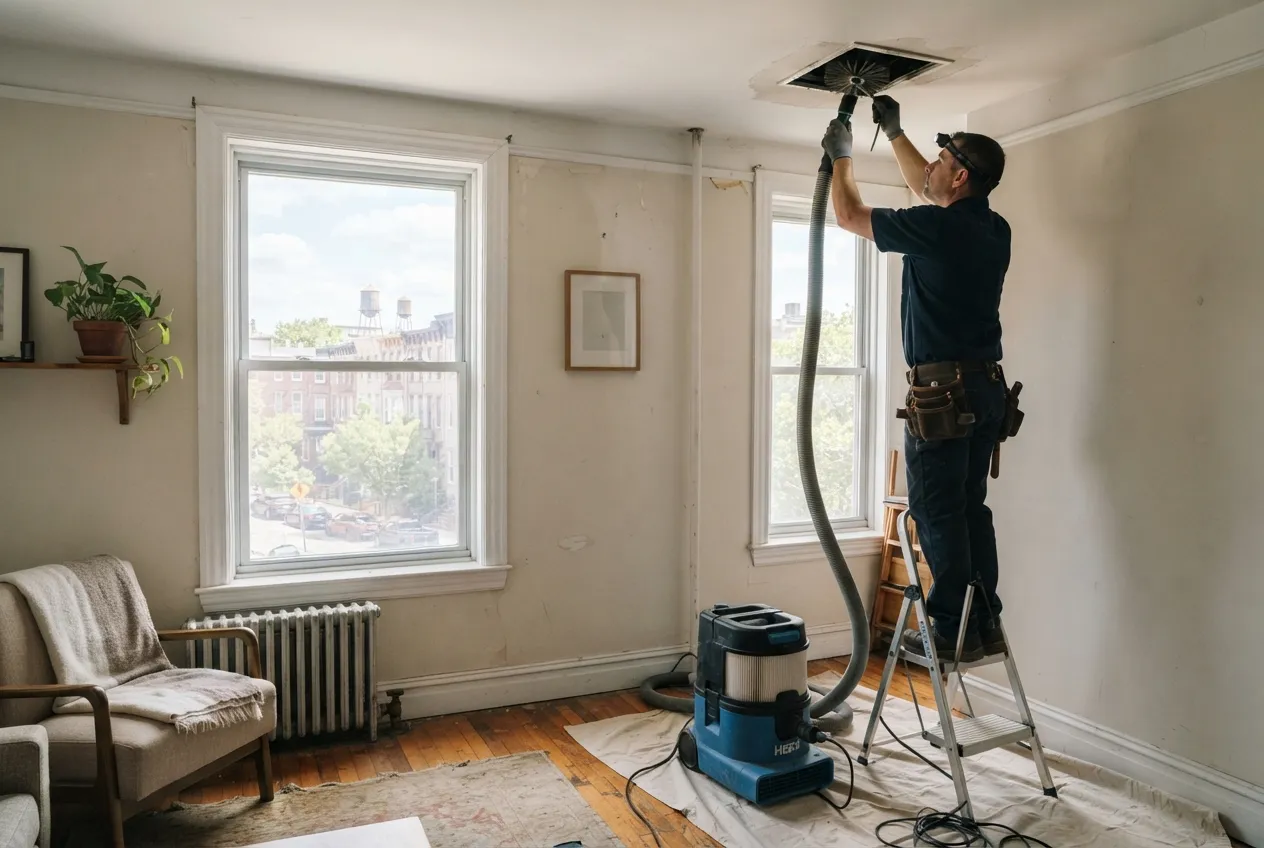
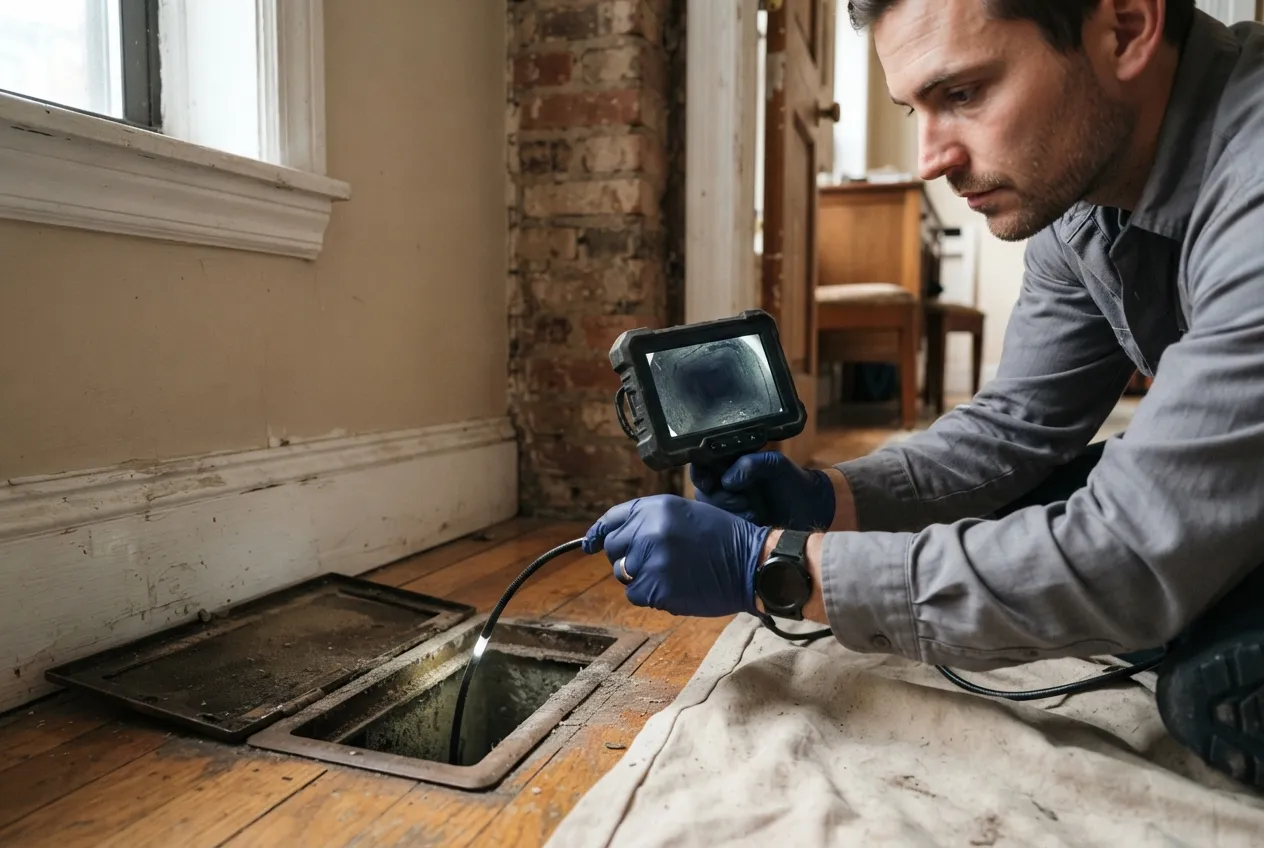
Many Manhattan apartments and townhouses have ducted central air or fan-coil systems. We inspect the ducts before recommending any work. Following EPA guidance, we suggest cleaning when there is substantial visible mold growth, signs of vermin, or excessive dust and debris. The EPA also notes that duct cleaning has not been shown to prevent health problems, so we won't promise that it will. We don't use chemical treatments unless there's a clear reason and you approve them first.
- Visible mold growth inside ducts or on registers
- Signs of rodents or insects in the ductwork
- Dust and debris blowing from vents, often after a renovation
Dryer Vent Cleaning for In-Unit Laundry
In-unit washers and dryers are common in newer buildings and renovated apartments. The vent runs are often long and have several turns before they reach an exterior wall or shaft. According to the U.S. Fire Administration, failure to clean is the leading factor contributing to home clothes dryer fires. We clear lint from the full vent path, not just the lint trap, and check that air moves freely at the exhaust point.
- Clothes taking longer than usual to dry
- A laundry area that feels unusually hot
- A burning smell when the dryer runs
Chimney and Fireplace Inspections
Wood-burning fireplaces in townhouses and brownstones need regular attention, and so do the boiler flues in larger buildings. The NFPA 211 standard calls for chimneys, fireplaces and vents to be inspected once a year. Our certified technicians use the three standard inspection levels. Level 1 is for when nothing has changed. Level 2 is for after a new appliance, a switch of fuel or a home sale. Level 3 is for when a hidden hazard can only be reached by opening part of the chimney or building.
Ready for cleaner ducts?
Oil-to-Gas Conversions and Heat Season Timing
When a New York City building converts its boiler from oil to gas, the chimney has to be evaluated as part of the work. A new liner is often needed because gas exhaust produces acidic condensate that can corrode a masonry flue.
The city's heat season runs from October 1 through May 31. During that time, owners must keep apartments heated to the city's minimum temperatures. We suggest scheduling chimney and flue work in late spring or summer so the heating system is ready before October.
Working in Manhattan Buildings
We coordinate with building management on access, elevator use and work hours, and we protect floors and furniture while we work. We serve Murray Hill, Kips Bay, East Village, Gramercy, East Midtown, Turtle Bay, Lower East Side, Midtown South, Flatiron, Union Square, Greenwich Village, Midtown, Times Square, Two Bridges and the other neighborhoods listed above.