The short answer
Most duct odors come from residue or debris inside the system, so the fix is finding the source and physically cleaning it out first. A sanitizer or deodorizer is added only when the situation calls for it, and we explain the product before using it.
A smell that shows up every time the heat or air conditioning turns on usually has a source inside the ductwork: settled cooking grease, pet dander, old smoke residue, moisture, or debris left by pests. In East Village apartments, rowhouses and brownstones, ductwork is often tucked into tight soffits, chases and ceiling cavities, so odors can linger for years. Our certified technicians find where the smell is coming from, clean the ducts mechanically, and use a sanitizing treatment only when it actually fits the problem. We serve ZIP codes 10003 and 10009, about 2 miles from our Greenpoint, Brooklyn office.
Where Duct Odors Come From in East Village Homes
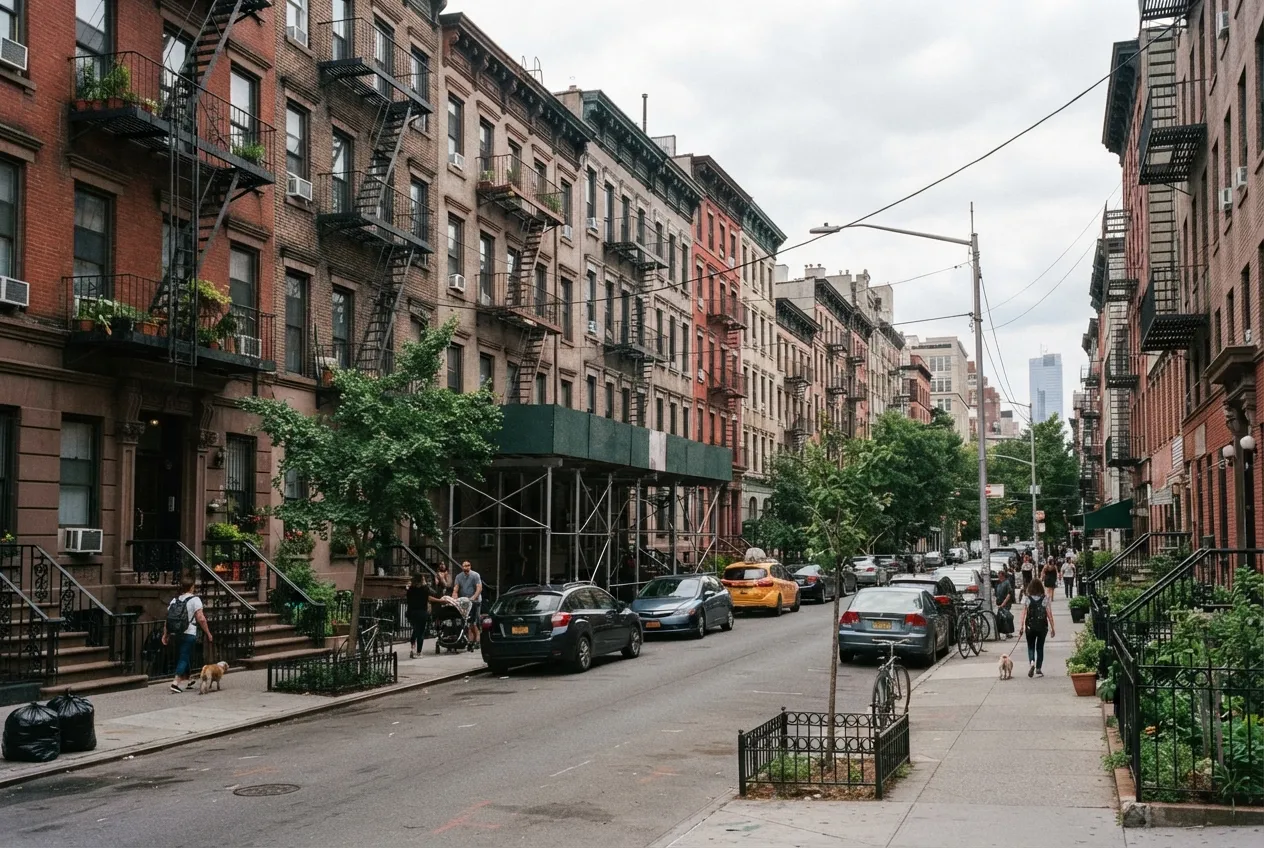
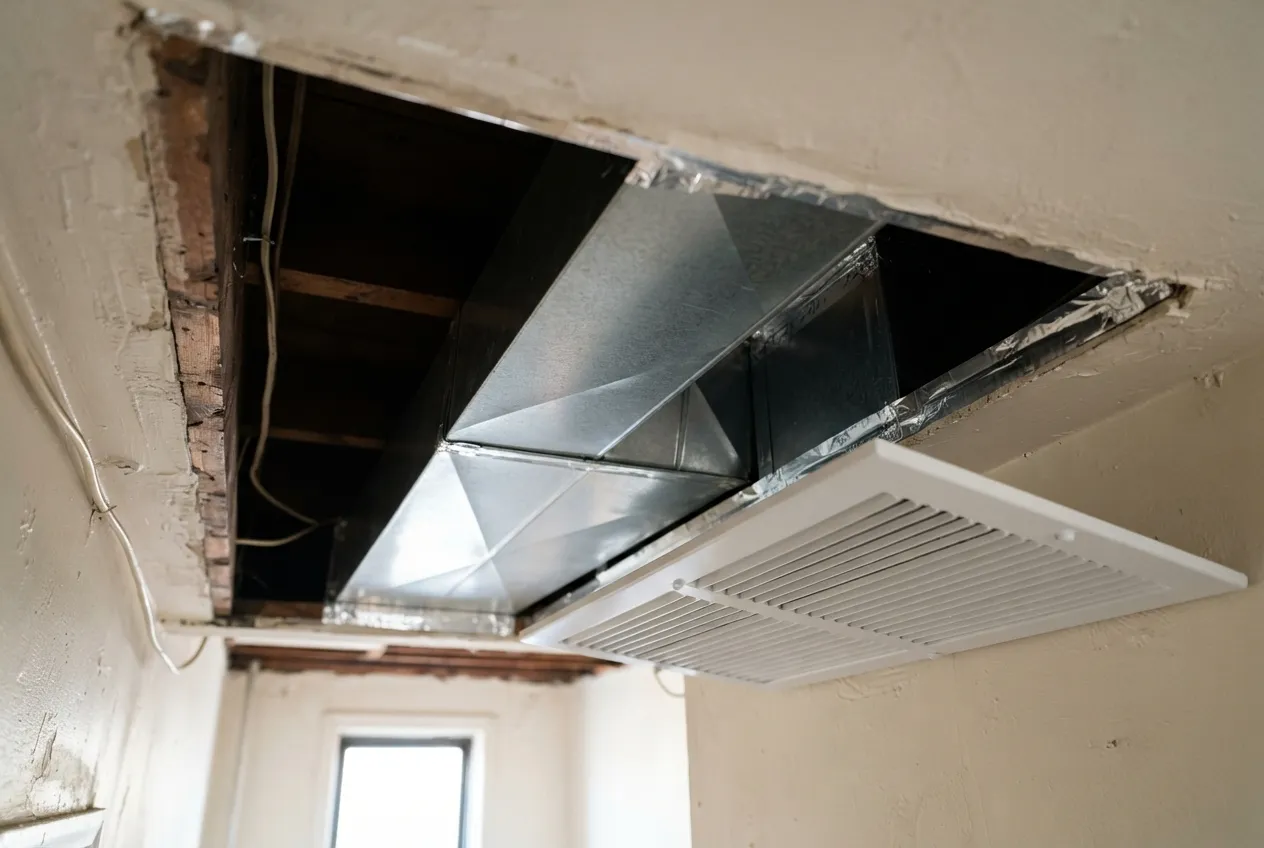
The East Village has a mix of pre-war apartment buildings, walk-ups, rowhouses and brownstones, many renovated over the decades. Ducted heating and cooling in these homes is often added during a renovation and squeezed into whatever space was available. That means long, narrow runs, sharp turns, and returns placed close to kitchens or bathrooms, all of which can collect odor-causing material.
Common sources we look for include:
- Cooking grease and smoke pulled into a return near an open kitchen
- Pet hair and dander packed into return grilles and the first few feet of duct
- Tobacco or cannabis smoke residue coating duct walls and the blower
- Musty smells from condensation around the air handler or a drain pan
- Droppings, nesting material or other signs of rodents or insects
- Construction dust left behind after a renovation
Cleaning First, Sanitizing Second
Spraying a fragrance or disinfectant into a dirty duct mostly covers the smell for a while. The residue stays behind and the odor comes back. Our approach is to remove the material first, using negative-pressure collection and agitation tools sized for the duct runs in your home, then reassess.
The U.S. EPA advises caution with chemical treatments in ductwork, and so do we. If a sanitizer or deodorizer makes sense after cleaning, for example after vermin activity or in a system that held a strong smoke odor, we tell you what product we plan to use, why, and how it is applied before we start. If cleaning alone solves it, we stop there.
What a Visit Looks Like
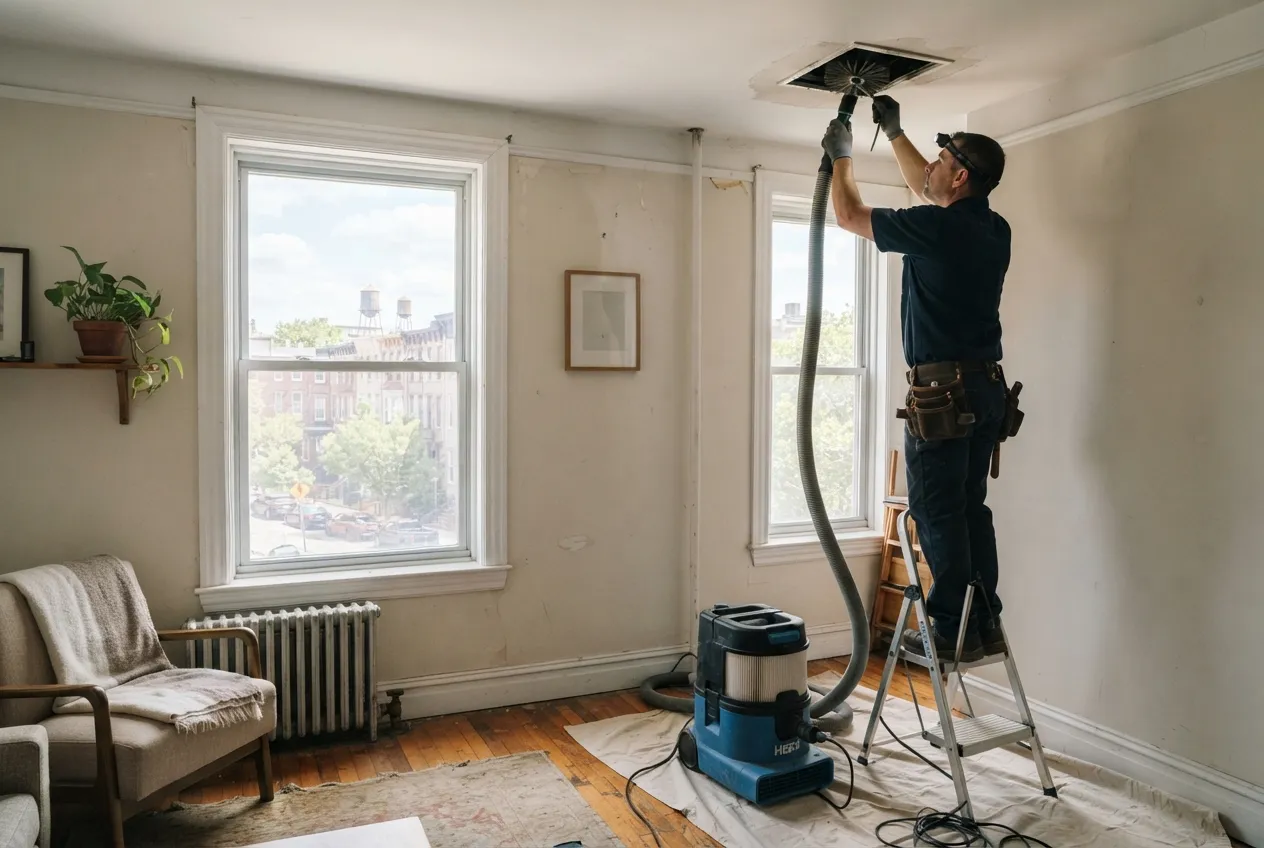
Every job starts with an inspection so the work matches what is actually in your system.
- We ask when the smell appears, which rooms it affects, and what has changed recently
- We open registers and returns and look inside with a camera where access allows
- We check the air handler, blower and drain pan for moisture or buildup
- We protect floors and furnishings, then clean supply and return runs under negative pressure
- We clean registers and grilles and note any damaged or disconnected duct sections
- We review findings with you, including anything outside our scope, like a plumbing leak or a pest entry point
Ready for cleaner ducts?
When Duct Work Is Not the Whole Answer
The EPA recommends duct cleaning when there is substantial visible mold, vermin, or excessive dust and debris. It also notes that duct cleaning has not been shown to prevent health problems, so we don't present it as a health treatment. Our goal is a cleaner system and a smell that goes away because its source is gone.
Sometimes the odor isn't coming from the ducts at all. A shared wall, a neighbor's kitchen exhaust, a dry floor drain or a hidden leak can all push smells into an apartment. If our inspection points elsewhere, we'll tell you plainly rather than clean something that won't help. The EPA also suggests researching any duct cleaning offer that seems unusually cheap, and we're glad to walk you through exactly what we do.
Timing Around Heat Season
New York City's heat season runs from October 1 through May 31. Many residents first notice duct odors in the fall, when the system kicks on after months off and stirs up whatever settled over the summer. Scheduling a cleaning in late summer or early fall can head that off, though we can also come out mid-season if a smell is already a problem.
Beyond East Village, we also handle duct sanitizing and odor removal in nearby Stuyvesant Town, Peter Cooper Village, Gramercy, Murray Hill and Kips Bay.
More services in East Village
- Air Duct Cleaning in East Village
- Dryer Vent Cleaning in East Village
- HVAC System Cleaning in East Village
- Chimney Sweep in East Village